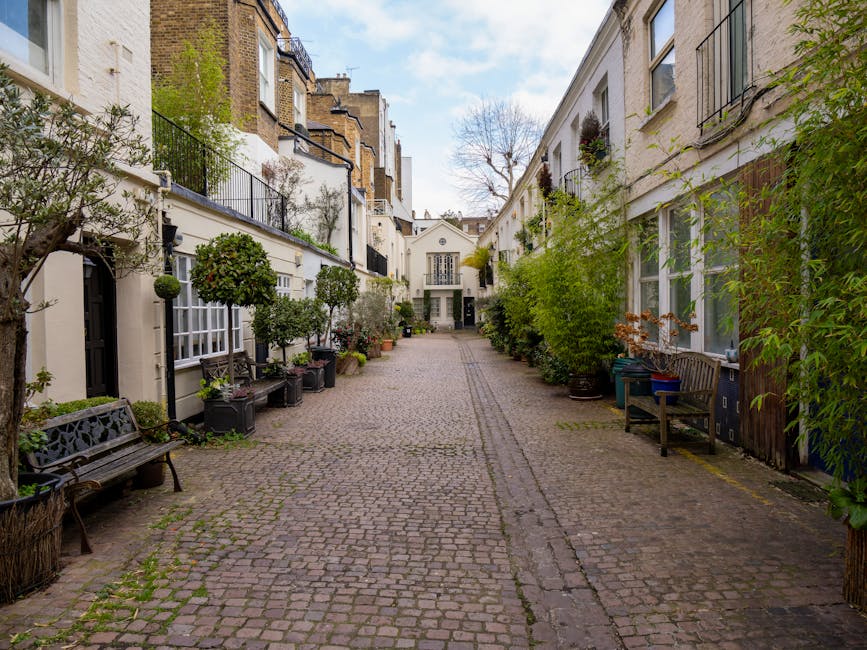
Sloane Square gardeners for small courtyard transformations
Small courtyard gardens can be deceptive. At first glance, they look easy enough to sort out: a bit of planting here, maybe some paving there, job done. Then you stand in the space properly, notice the awkward shade, the tight access, the tired surfaces, the lack of storage, and suddenly the whole thing feels like a puzzle. That is exactly where Sloane Square gardeners for small courtyard transformations earn their keep. They understand how to turn compact outdoor spaces into places that feel calmer, more usable, and far more inviting without trying to overfill them.
In a neighbourhood like Sloane Square, every inch matters. The best courtyard work is not about cramming in more features. It is about balance, proportion, and making the space work beautifully for the way you actually live. In this guide, we will look at how a transformation is planned, what makes a small courtyard succeed, common mistakes to avoid, and the practical decisions that make the difference between a tidy garden and one you genuinely want to spend time in.
Expert summary: Small courtyards transform best when design is restrained, materials are chosen carefully, and maintenance is planned from day one. A good result feels effortless, but it is usually the result of quite a lot of thoughtful detail behind the scenes.
Table of Contents
- Why Sloane Square gardeners for small courtyard transformations matters
- How the transformation process works
- Key benefits and practical advantages
- Who this is for and when it makes sense
- Step-by-step guidance
- Expert tips for better results
- Common mistakes to avoid
- Tools, resources and recommendations
- Law, compliance, standards, or best practice
- Options, methods, or comparison table
- Case study or real-world example
- Practical checklist
- Conclusion
- Frequently asked questions
Why Sloane Square gardeners for small courtyard transformations Matters
Courtyard gardens in and around Sloane Square are often compact, enclosed, and visually exposed from the house. That can be a blessing or a headache. A good transformation makes the space feel like an extension of the home; a poor one makes it feel like a leftover corner that never quite gets used. The difference usually comes down to how the space is read and how it is layered.
To be fair, small gardens punish lazy design. Oversized paving can make them feel stark. Too many plant varieties can make them feel busy and confusing. A single poor access point can limit maintenance for years. So the value of experienced courtyard gardeners is not just in planting skill. It is in spatial judgement. They know when to simplify, when to soften, and when to leave a little room to breathe.
There is also a local context to consider. In Chelsea and the wider central London area, many courtyards sit within terraces, mews properties, mansion blocks, or basement extensions. Some are shaded by walls and neighbouring buildings. Some are dry and hot in summer because reflected light bounces around the space. Some are damp, sheltered, and slow to drain. A transformation has to respect those conditions rather than fight them.
If you want the outdoor area to feel composed year-round, the design should be built around the realities of the site: light, drainage, privacy, access, and maintenance load. That is why people looking for Sloane Square gardeners for small courtyard transformations usually get the best results when the project begins with an honest assessment, not a wish list.
For broader planning and ongoing care, it can help to explore the full range of garden services available and think of the courtyard as part of a wider outdoor system rather than a one-off decorative patch.
How Sloane Square gardeners for small courtyard transformations Works
A strong courtyard transformation usually follows a simple but disciplined process. It starts with understanding how you want to use the space, then moves into practical design choices, surface preparation, planting, and finishing details. The trick is to make those stages feel seamless. They are not glamorous, but they matter. Quite a lot.
1. Site assessment
The first step is looking closely at light levels, drainage, existing hard landscaping, privacy, and the condition of the current layout. A north-facing courtyard with deep shade needs a very different approach from a sun-trap space that bakes against pale brick walls. Even the width of the access path matters if materials have to be carried through a house or up steps.
2. Defining how the space will be used
Before any planting plan is drawn, the purpose of the courtyard should be clear. Is it for morning coffee, entertaining a couple of guests, growing scent-heavy plants, or simply creating a calm view from the kitchen? If you do not define the use, the design tends to drift. And then the space becomes neither beautiful nor especially practical.
3. Material selection
In a small courtyard, materials carry a lot of visual weight. Pale stone, timber, gravel, brick, render, and metal each create a different feel. Good gardeners and landscapers choose finishes that suit the building and the level of upkeep you are prepared to take on. For instance, timber can bring warmth, while a carefully laid paving scheme can make the space feel cleaner and more structured.
4. Planting strategy
Planting in small spaces should do several jobs at once. It should soften hard edges, create rhythm, bring seasonal change, and not become a maintenance burden. That often means using a limited palette of plants with different heights and textures rather than trying to fill every gap. Ferns, clipped evergreens, fragrant climbers, and shade-tolerant perennials are common choices in enclosed London courtyards, depending on conditions.
5. Construction and installation
This is where the practical work happens: clearing old material, repairing surfaces, installing edging, setting out planters, laying paving or decking where appropriate, and making sure drainage is not left as an afterthought. If you are starting with a tired or cluttered space, a good garden clearance service can remove the mess and reveal the real shape of the area before design begins.
6. Ongoing maintenance planning
A courtyard transformation is not finished when the final plant goes in. The space should be designed so it can be maintained sensibly. That might mean simple irrigation, easy-access edging, or choosing plants that only need seasonal pruning rather than weekly attention. A space that looks lovely in month one but becomes a chore by month four is not really a transformation. It is just a very tidy problem.
Key Benefits and Practical Advantages
The best transformations do more than improve appearance. They change how the space feels to live with. That sounds obvious, but it is often missed. A courtyard that is visually pleasing yet awkward to move through will still go unused. A well-designed one, though, can become part of your daily routine.
- Better use of limited space: every element earns its place, which matters when the footprint is compact.
- More privacy: the right planting, screening, or vertical features can reduce the feeling of being overlooked.
- Lower visual clutter: thoughtful layout creates calm, especially in small urban gardens where too much is going on already.
- Easier maintenance: a clear plan makes upkeep simpler and helps avoid that "where do I even start?" feeling on a Saturday morning.
- More year-round appeal: structure, evergreen planting, and durable surfaces keep the courtyard attractive even when flowers are out of season.
- Improved property presentation: a neat courtyard tends to make the whole home feel more considered.
There is also a quieter benefit that people sometimes underestimate: a small outdoor area can become a mental reset point. Not a grand garden, not a showpiece. Just a useful, liveable room outside. A chair, a mug of tea, a bit of greenery, and suddenly the day feels less cramped.
If the project includes hard landscaping or a more complete redesign, it may be worth looking at landscaping support for compact spaces and, where appropriate, landscape gardening for design-led improvements.
Who This Is For and When It Makes Sense
Small courtyard transformations are a good fit for homeowners, landlords, and property managers who want an outdoor area that looks intentional rather than accidental. They are especially useful where the current garden feels dated, exposed, or too awkward to use properly.
This kind of work makes sense if:
- the courtyard is underused because it feels too bare or too cluttered
- the planting is tired, sparse, or impossible to maintain
- the surface is cracked, uneven, or visually harsh
- privacy is limited and the space feels overlooked
- you want a cleaner backdrop for entertaining or relaxing
- you need a design that works in shade, partial shade, or difficult light
It also makes sense if you have a clear deadline. Maybe you are moving into a new home and want the courtyard ready before summer. Maybe the space has become an eyesore after renovation work. Or maybe, truth be told, you just cannot keep looking at the same patch of nothing out of the back door.
For busy households, low-maintenance planning is usually the deciding factor. In that case, regular upkeep can be supported through garden maintenance and, for simple open areas, even targeted lawn mowing where turf is part of the design. If there are tall shrubs or boundary features, hedge trimming may also be part of the ongoing plan.
Step-by-Step Guidance
If you want a sensible way to approach a courtyard transformation, start here. No drama, no fluff.
- Look at the space in the morning and again in the evening. Light changes everything. A courtyard that feels gloomy at 9 a.m. may be bright by lunchtime, or the reverse. Take note before deciding on plant types or finishes.
- Measure what actually matters. Not just the full dimensions. Measure usable widths, door clearances, awkward corners, and the route materials will need to take into the garden.
- Clear out the non-negotiables. Anything rotten, broken, unstable, or genuinely in the way should go first. A tidy starting point makes design choices much clearer.
- Decide on the main function. Seating zone, planting-led retreat, family-friendly space, or a mixed-use courtyard? Pick the priority, because small gardens cannot do everything at once.
- Choose a simple material palette. Two or three main materials usually work better than five. The garden should feel coherent, not like a leftover tile showroom.
- Build in structure. Use planters, edging, trellis, screens, or clipped shapes to give the space form. Structure is what stops a small garden from drifting into visual noise.
- Plant for the conditions. Shade, wind, reflected heat, and drainage should guide the choice. A plant that looks perfect in the nursery can sulk for months in the wrong corner.
- Plan maintenance at the same time. If you know the garden will need frequent attention, design for access. If you want lower input, keep the palette tighter and the layout simpler.
- Finish with the lived-in details. A seat, a lantern, a pot by the door, or a slim water feature can make the space feel settled rather than staged.
One small but important note: do not rush the final layout. Step back. Stand in the doorway. Sit down if there is a chair. If something feels off, it probably is. People rarely regret leaving a little space; they often regret filling it too quickly.
Expert Tips for Better Results
Here is where small courtyard work gets a bit more refined. These are the details that separate a decent result from one that feels quietly excellent.
Work with the architecture, not against it
Courtyards in Sloane Square often sit beside elegant brickwork, stucco, railings, or period detailing. The garden should complement that backdrop. Hard lines can work, but they need softening. Likewise, very lush planting can look beautiful against crisp masonry if the proportions are right.
Use repetition to create calm
Repeating a plant, pot, or material gives small spaces rhythm. It stops the eye from jumping around. In a tiny courtyard, that sense of order makes a surprising difference.
Think vertically
When floor space is limited, walls become precious. Trellis, climbing plants, wall-mounted planters, and slim screening can all help, provided they do not overwhelm the space. Vertical layers often give the garden a much bigger feel without taking up more ground.
Choose planting that earns its keep
Plants in a courtyard should do more than look pretty for two weeks. They should provide form, scent, texture, or evergreen structure. One or two "stars" are fine, but the supporting cast matters more than most people expect.
Leave room for movement
It sounds obvious, but people still forget it. A courtyard with no easy route between the door, seat, and planting areas becomes annoying fast. You notice it every day.
If the transformation involves larger structural changes, it helps to check the wider service offer and choose the right support rather than trying to bundle everything into one vague brief. The more specific the plan, the better the outcome tends to be.
Common Mistakes to Avoid
Small courtyards are full of traps. Nothing dramatic, just the kind of mistakes that make a garden feel slightly wrong every time you step outside.
- Using too many materials: too many textures and colours make a small area feel chopped up.
- Picking plants for the shop display, not the site: nursery favourites are often poor choices for shade, wind, or dry courtyard conditions.
- Ignoring drainage: water pooling in a compact space becomes a persistent nuisance very quickly.
- Overloading the garden with features: a water feature, bench, two storage boxes, six pots, and a sculpture can be too much in a very small area.
- Forgetting maintenance access: if you cannot reach the back of a planter, it will become a problem later.
- Choosing fragile finishes: delicate surfaces can wear badly in spaces with frequent foot traffic.
- Leaving no seasonal structure: once the flowers fade, the garden should still look composed.
One mistake deserves special mention: treating the courtyard like an indoor room with no real conditions of its own. It is outside. It gets wet, cold, dusty, and occasionally a bit bleak. Design for that reality, and the space will repay you.
Tools, Resources and Recommendations
You do not need a shed full of fancy equipment for a small courtyard project, but the right tools and materials save time and reduce frustration.
| Item | Why it helps | Best use in a courtyard |
|---|---|---|
| Compact hand tools | Easy to use in tight spaces | Planting, edging, detail work |
| Quality planters | Provide structure and flexibility | Vertical interest and movable planting schemes |
| Simple edging materials | Keep the layout neat | Separating paving, planting, and gravel |
| Moisture-aware compost and soil | Supports healthier planting | Containers and beds with varying light levels |
| Subtle outdoor lighting | Extends use into the evening | Highlighting paths, walls, or focal points |
For more decorative projects, decking can be a smart choice if the courtyard needs a warmer, softer surface underfoot. It should be detailed carefully, though, because small spaces reveal poor installation very quickly. If that route appeals, it is worth considering decking services suited to compact garden layouts.
On the other hand, if the space is overwhelmed by old pots, broken fencing, accumulated debris, or leftover renovation material, it may be wiser to start with a clear-out rather than design. In those cases, a proper garden clearance can reset the whole area and make the next decisions much easier.
For customers who care about the environmental side of the work, it can also be sensible to ask how waste is handled and how reusable material is separated. Sustainability does not have to be grand or preachy. It can be as simple as making sure the practical bits are done well and waste is handled responsibly.
Law, Compliance, Standards, or Best Practice
Courtyard transformations are usually straightforward, but they still need a responsible approach. In the UK, that means working with safe practices, respecting property boundaries, and being careful where trees, access routes, or shared walls are involved. If the project includes major structural changes, drainage work, or anything that affects neighbouring property, the planning and permissions picture may need checking before work begins.
For everyday garden work, best practice usually means the following:
- safe handling of tools and materials
- clear communication about access and timing
- careful waste removal and disposal
- protecting surrounding surfaces and internal access points
- using appropriate materials for outdoor conditions
- keeping the finished space safe to walk on and easy to maintain
It is also sensible to work with contractors who are insured and who take health and safety seriously. Courtyard projects often involve carrying materials through narrow access points, using sharp tools in tight areas, and working close to doors, windows, and boundary walls. That is not the place for casual habits.
If you want reassurance on the business side, you may also want to review insurance and safety information alongside the company's health and safety policy. Those pages help set expectations before work begins. Likewise, if you are comparing providers, a clear pricing and quote process can reduce misunderstandings later on. Small thing, big difference.
Options, Methods, or Comparison Table
Not every courtyard needs the same approach. Some spaces need structure first. Others need planting. Some need a complete reset. A quick comparison can help you decide where to start.
| Approach | Best for | Pros | Limitations |
|---|---|---|---|
| Light refresh | Courtyards that are tidy but dull | Lower cost, quicker turnaround, minimal disruption | Won't solve deeper layout or drainage issues |
| Plant-led makeover | Spaces that need softness and seasonal interest | Strong visual impact, flexible, can suit shade | Needs the right growing conditions and maintenance |
| Hard landscaping focus | Courtyards with tired surfaces or poor flow | Creates structure, improves usability, durable | Higher upfront effort, must be designed carefully |
| Full transformation | Spaces that feel unusable or badly dated | Best for long-term value and coherence | More planning, more time, more moving parts |
In many Sloane Square properties, the best answer is a combination: maybe new surfaces, a cleaner layout, and carefully selected planting. Not too much, not too little. That middle ground is often where the nicest gardens live.
Case Study or Real-World Example
Imagine a modest courtyard off a townhouse near Sloane Square. It has a pale stone floor that has gone a little patchy, a couple of tired pots, and one hedge that looks permanently resigned to life. The door opens directly onto the space, so every flaw is visible from inside the house. The owners do not need a show garden. They need a place that feels restful, usable, and tidy from the first glance in the morning.
The transformation begins with clearance. The old pots are removed, the awkward debris is taken out, and the boundaries are properly assessed. The layout is then simplified into a seating area, a narrow planting run, and a visual focal point at the far end. A restrained planting scheme uses evergreen structure, a climbing plant for height, and a few softer seasonal layers to stop the space feeling flat.
What changes most is not the size of the garden. It is the feeling. The hard edges no longer dominate. The view from the house becomes calmer. The courtyard starts doing its job quietly. It does not shout. It just works. And that, honestly, is often the point.
A project like this also benefits from ongoing care, especially in a city setting where leaves, dust, and seasonal growth appear whether you want them or not. With the right upkeep, the garden stays in shape instead of slipping back into neglect.
Practical Checklist
Use this checklist before starting a small courtyard project. It will save time later. Probably more than you think.
- Confirm how the space will be used day to day
- Measure access, not just floor space
- Check light, shade, and drainage conditions
- Decide whether the space needs clearance first
- Choose a simple material palette
- Keep planting suited to the site, not just the style
- Leave enough room to walk, sit, and maintain the garden
- Plan for privacy if the courtyard is overlooked
- Consider maintenance from the beginning
- Ask how waste, safety, and access will be handled
- Think about long-term care, not just the first reveal
Key takeaway: A small courtyard transformation succeeds when the design is disciplined. Less clutter, better structure, thoughtful planting, and practical maintenance almost always beat trying to do everything at once.
If you are weighing up next steps, a conversation with a local specialist can help you decide whether the space needs landscaping, selective planting, hard landscaping, or simply a proper tidy-up first. The right order matters.
Get a free quote today and see how much you can save.
Conclusion
Small courtyard gardens in Sloane Square ask for restraint, skill, and a good eye. They are not about excess. They are about making a limited footprint feel composed, useful, and quietly welcoming. The best results come from understanding the site properly, keeping the design clear, and choosing materials and planting that can genuinely live well in the space.
If you want the courtyard to feel like a natural part of the home rather than an afterthought, the job is worth doing carefully. That includes planning, installation, and maintenance. A thoughtfully transformed courtyard can change the feel of a property in ways that are more noticeable than any single decorative feature. It becomes a little pocket of calm. And in central London, that is no small thing.
When the details are right, even the smallest courtyard can feel generous.
Frequently Asked Questions
What do Sloane Square gardeners for small courtyard transformations usually do?
They typically assess the site, clear unwanted material, improve the layout, choose suitable planting, and install features that make the space more usable and attractive. In a small courtyard, the main goal is to make the area feel larger, calmer, and easier to maintain.
How do you make a small courtyard look bigger?
Keep the design simple, use repeated materials or plants, and avoid overcrowding the space. Vertical features, light-reflective surfaces, and clear movement paths also help a lot. A space feels bigger when the eye can travel without bumping into visual clutter every few feet.
Is planting or hard landscaping better for a courtyard?
Neither is automatically better. Planting adds softness and seasonal interest, while hard landscaping adds structure and durability. Most courtyards work best with a blend of both, chosen to suit the available light, drainage, and how much maintenance you want to do.
What plants work well in a shaded courtyard?
Shade-tolerant plants are usually the best starting point, along with evergreens for structure and climbers for vertical interest. The exact choices depend on how much light the courtyard gets and whether the space is dry, damp, or sheltered. It is worth matching plants to conditions rather than chasing a glossy look.
How long does a small courtyard transformation take?
That depends on the amount of clearance, surface work, and planting involved. A light refresh can be relatively quick, while a full transformation takes longer because more planning and installation are involved. The access route can also affect timing, especially in tightly enclosed London properties.
Do small courtyards need regular maintenance?
Yes, even low-maintenance designs need some attention. The good news is that a well-planned courtyard can be easy to manage. Simple maintenance tasks such as pruning, sweeping, checking drainage, and seasonal tidying keep the space looking fresh without becoming a chore.
Should I clear the courtyard before redesigning it?
If the space is full of old pots, damaged materials, or general clutter, yes, clearance first is often the smartest move. It gives a clearer view of the space and helps prevent the new design from being built around old problems. Sometimes you need to see the bones of it first.
What should I ask before hiring a gardener for a courtyard project?
Ask how they would assess the space, what they recommend for your light and drainage conditions, how they approach maintenance, and whether they are insured. It also helps to ask how the work will be phased so you know what happens first and what can wait.
Are courtyard transformations suitable for rental properties?
Yes, they can be very suitable. A neat, low-maintenance courtyard can improve presentation and make the property more appealing without demanding constant upkeep. For rental spaces, durability and simplicity usually matter more than highly intricate design.
How much should I expect to change in a small courtyard?
That depends on the existing condition and your goals. Some courtyards only need cleaner lines, better planting, and a few finishing touches. Others need a more complete redesign. The right level of change is the one that solves the actual problem, not the one that looks busy on paper.
Can a courtyard transformation help with privacy?
Yes, it often can. Trellis, climbers, screens, and layered planting can reduce the feeling of being overlooked. In a compact urban setting, even a modest privacy improvement can make the whole space feel more relaxing and more personal.
What is the most common mistake people make with small courtyards?
Trying to do too much. Too many materials, too many plant types, too many decorative items. The result can feel cramped. Small gardens usually do better when the design is edited hard and every element has a clear purpose.