Hedge Trimming in Chelsea

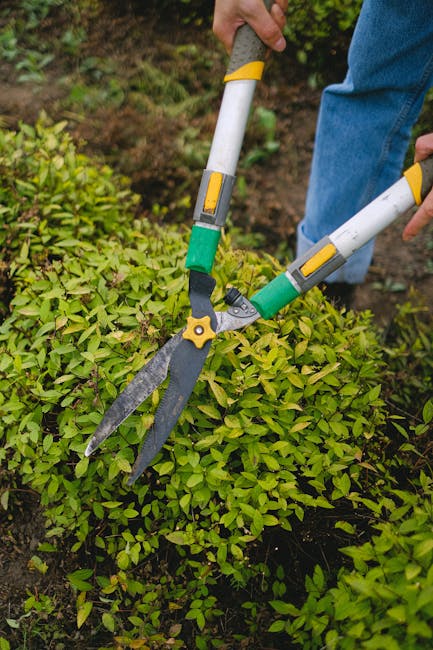
We provide hedge trimming in Chelsea for gardens that need clean lines, healthier growth and a finish that suits the space. The work can be as simple as shaping a front hedge for a neat boundary, or as involved as reducing a more established screen that has become overgrown and uneven. Our focus is on careful cutting, sensible shaping and a tidy result that respects the plant as well as the property.
Hedges often need different treatment depending on the species, the season and the look you want to keep. A clipped formal hedge needs a different approach from a softer boundary planting, and we work with that in mind rather than forcing everything into one shape. Good trimming supports density, light and balance, while also helping the garden stay presentable across the year. If you are comparing options, the main aim is not just to cut back growth but to keep the hedge working as part of the garden.
For many customers, the service begins with one clear decision: whether the hedge needs routine maintenance, a one-off reduction, or a more considered correction after a period of missed care. We can help with each of those needs in a straightforward way. If you would like to discuss the work and request a quotation, get in touch when you are ready.
Routine hedge maintenance
Regular hedge maintenance is usually the simplest way to keep a boundary looking tidy and manageable. It is typically better to trim little and often than to let growth run unchecked and then remove too much at once. That approach helps retain the intended height and thickness, while also reducing the risk of bare patches caused by over-cutting into old wood where regrowth may be limited. We shape hedges with a view to both appearance and long-term health.
Different gardens call for different finishes. Some hedges are best kept crisp and square, while others look better with a gentler profile that allows a little movement and a less severe outline. The right finish can depend on the way the hedge frames paths, terraces, entrances or planting beds. We can trim to suit the setting, whether the goal is a formal edge or a softer line that still feels controlled.
Shaping, reduction and thicker growth
Where a hedge has grown too wide, too tall or uneven after a season of unchecked growth, a more deliberate reduction may be needed. That type of work is about restoring proportion without leaving the plant looking harsh or lopsided. In practical terms, it may involve trimming back the sides to recover usable space, then bringing the top into balance so the hedge reads as one continuous line rather than a series of corrections.
Some hedges respond well to a shaped reduction, while others need a lighter touch over more than one visit. The species, age and condition all matter. A healthy, dense hedge can usually be cut with more confidence than a sparse one, and a hedge with exposed inner stems may need a more restrained plan. We work carefully to keep the result useful and attractive, not simply short.
When preparing to request pricing and quotes, it helps to think about the hedge length, the access around it and whether the work is routine or corrective. These details affect the time and method involved. A clear description of the hedge and the outcome you want makes it easier to discuss the scope accurately. If you are ready, you can ask for a quotation today.
What our hedge trimming service covers
Our service is built around the practical tasks that keep hedges tidy and manageable. That includes trimming sides and tops, correcting uneven growth, maintaining defined edges and removing the cuttings created by the work. We also consider nearby features such as walls, paths, railings and planting borders so the hedge is cut neatly without unnecessary disturbance to the rest of the garden.
If the hedge forms part of a wider garden plan, the trim needs to sit comfortably alongside the rest of the space. A boundary hedge may need to remain dense for privacy, while a lower decorative hedge may be shaped more precisely to complement paving or planting. Garden maintenance can sometimes sit alongside trimming where the garden needs a broader tidy-up, but hedge work remains a distinct part of the task with its own cutting decisions and finish.
Species, season and cut quality
Different hedge types are cut in different ways because growth patterns are not the same across all plants. Fast-growing hedges may need more frequent attention to stay even, while slower-growing varieties benefit from cleaner, more measured cutting that avoids needless stress. The time of year can also influence how much can sensibly be removed, especially where new growth or nesting concerns make a heavy cut less suitable. We take a measured approach rather than forcing a one-size-fits-all result.
Cut quality matters because a neat-looking hedge is usually the result of a consistent line, proper attention to edges and a finish that suits the natural habit of the plant. Trimming too fast can leave visible hollows or a rough surface that looks unfinished from close range. A steadier method gives a better appearance and helps the hedge remain a clear feature rather than a distraction. For that reason, the work is as much about judgement as it is about cutting.
Hedge trimming is often most effective when the work is planned around the hedge’s current condition rather than a rigid schedule. Some hedges need only a light tidy, while others call for more shaping and correction. Either way, the aim is a result that feels intentional and practical. If you would like to compare options, a quotation can be arranged.
Access, clear-up and practical preparation
Before work begins, it helps to know how the hedge can be reached and whether there are any tight areas near doors, parked vehicles, steps or delicate planting. Good access allows trimming to be carried out more cleanly and with less disruption. Where the hedge sits close to public-facing parts of the property, a careful setup also helps keep the finish consistent and the surrounding space tidy.
In most cases, we can work more efficiently when the hedge line is clearly visible and the route to the area is unobstructed. Services overview can be useful if you want to see how hedge trimming fits alongside other garden work offered on the site. It is also helpful to let us know if the hedge has known weak spots, awkward corners or sections that have not been cut for some time, as that can influence the method used.
Hedges beside borders, paths and boundaries
Hedges do not exist in isolation; they shape how the whole garden feels. A hedge running beside a path may need enough clearance to avoid crowding, while one at the edge of a border should be cut so that nearby plants are not constantly shaded or pressed down. In boundary positions, the finish often needs to be clean and even so that the hedge supports the look of the exterior as well as the garden interior.
Where the hedge sits alongside a boundary feature such as fencing or masonry, trimming also becomes a matter of maintaining a sensible profile. This can mean bringing the hedge back into line without exposing awkward gaps or making the structure behind it look more dominant than intended. Landscape gardening may be relevant where hedge work forms part of a broader change to the garden layout, but hedge trimming remains the focused task when the boundary planting itself is the main concern.
- Light seasonal tidying for maintained hedges
- Shaping to keep a formal outline neat
- Reduction of overgrown width or height
- Careful finishing around paths and boundaries
Support when hedges need more than a quick tidy
Some hedges benefit from more than a simple surface trim, especially where the growth has become uneven, sparse or awkwardly layered. In those situations, the aim is to restore a usable and balanced shape without turning the hedge into a blunt block. A thoughtful reduction can improve appearance while leaving the hedge in a more workable condition for future maintenance.
Where the hedge is part of a larger garden improvement, it may sit well alongside other outdoor work, but each task still needs its own judgement. A hedge that has outgrown its position may not need removal; it may simply need a controlled reset. If that sounds closer to your situation, we can discuss the likely scope and our general approach alongside the trimming itself so you have a clearer idea of what the work involves.
About Chelsea
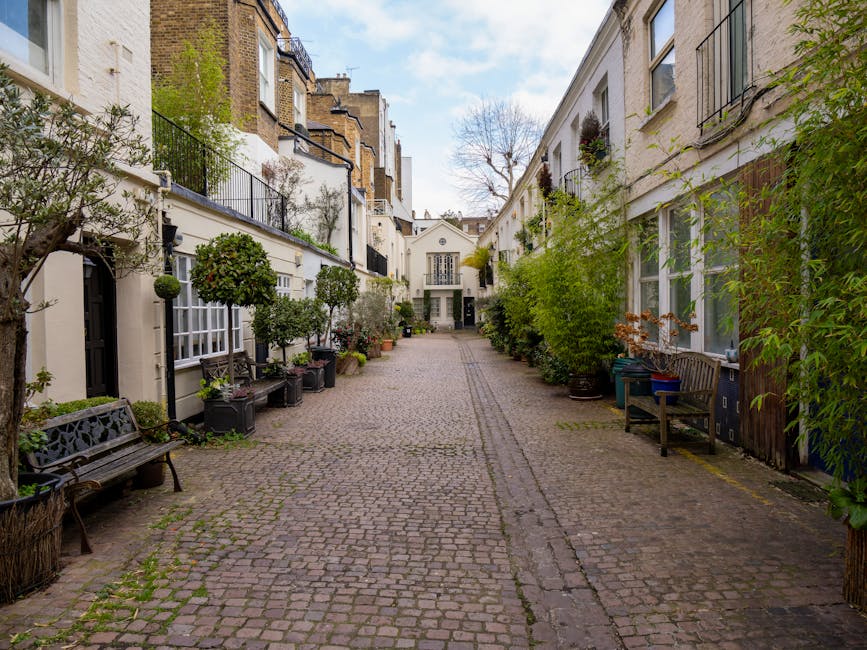
Chelsea is an area in west London on the north bank of the River Thames, known for a dense urban grain shaped by long residential development, garden squares and a strong architectural mix. The district contains streets associated with Georgian and later townhouses, along with mansion blocks, mews lanes and commercial frontages that reflect successive phases of change. Its position within the Royal Borough of Kensington and Chelsea places it close to central London while still giving it a recognisable neighbourhood character. Chelsea has long been linked with artistic and literary circles, and parts of the area became especially prominent in the nineteenth and twentieth centuries as the city expanded westward. Landmarks and institutions contribute to its identity, including the Chelsea Physic Garden, one of the city’s oldest botanic gardens, and the Saatchi Gallery, which has been associated with contemporary art display in the district. The Kings Road remains one of the best-known streets in the area, historically associated with fashion, design and retail, while nearby riverside stretches and pockets of green provide a contrast to the built environment. Many of the streets are lined with mature trees, terraces and enclosed courtyards, and the combination of private squares, high-value housing and cultural destinations has given Chelsea a distinct place in London’s wider urban geography. Its riverside setting, transport links and architectural variety make it a notable part of the capital rather than a purely local residential district.
Choosing the right level of hedge work

When deciding what kind of hedge trimming is needed, it helps to think about the role the hedge plays in the garden. A privacy hedge may need to stay dense and tall enough to screen views, while a decorative hedge might be better kept lower and more sharply defined. The best result is usually one that suits the hedge’s purpose rather than chasing an overly severe finish. That balance can make the space feel more ordered without stripping away character.
The choice also depends on whether you want continuity or correction. If the hedge has been maintained regularly, the work may be limited to a tidy seasonal cut and small adjustments to height and width. If it has been neglected for some time, the trimming may need to bring the line back gradually. We can talk through what kind of result is realistic so the finished hedge feels considered rather than overworked.
Garden clearance may be relevant if the hedge sits within a larger outdoor area that also needs cut-back growth, litter removal or a general reset, but the trimming itself remains the core service here. If you want a quotation for hedge work in Chelsea, send through the details and we will take it from there.
From regular tidying to fuller outdoor care
Some gardens need hedge trimming as a standalone task; others need it as part of a wider pattern of care that keeps the space usable and neat. When hedges grow in step with the rest of the planting, the whole area tends to look more controlled and less fragmented. For that reason, it can be sensible to think about hedges not only as boundaries but as active features that help shape movement, privacy and visual order.
We can discuss trimming for hedges that border lawns, frame terraces or sit alongside other garden features, and we can also help when a hedge has become visually dominant and needs to be brought back into scale. The result should feel proportionate to the property rather than exaggerated. A well-cut hedge supports the rest of the garden, and it should do so without drawing attention to unevenness, gaps or rough edges.
Request a quotation

If you would like hedge trimming in Chelsea, the next step is simple: tell us what needs cutting, how the hedge is positioned and what finish you would like to achieve. A clear description of height, length and access helps shape a sensible quotation, especially where the hedge is large, heavily grown or set in a tight space. You do not need to over-explain; just outline the main facts and the outcome you want.
Our quotations are intended to reflect the work in front of us, so the more accurate the basic details, the easier it is to match the service to the job. Whether you need a light tidy, a more careful shape or a reduction after a missed season, we can discuss the options and provide a price based on the task. If you are ready to move forward, you can request a quotation now.
For hedge trimming in Chelsea, contact us when you are ready to arrange the next step and ask for your quotation.