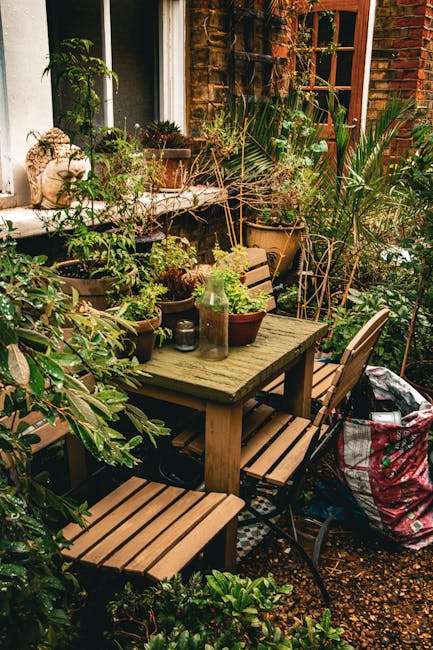
Emergency gardeners in Chelsea same day response common problems
When a garden suddenly turns messy, unsafe, or just plain unmanageable, you do not always have time to wait for a routine booking. That is where emergency gardeners in Chelsea with same day response can make a real difference. A fallen branch across a path, a blown-over fence panel, a waterlogged border, or a hedge that is blocking access after a storm can quickly become more than an inconvenience. In a place like Chelsea, where front gardens, shared courtyards, terraces, and narrow access points are common, the practical side matters fast.
This guide explains the common problems emergency gardeners deal with, how same day response usually works, what to expect on the day, and how to choose the right help without panic-browsing while standing in the rain. To be fair, most urgent garden jobs are not dramatic disasters - but they do need calm, quick action and a clear plan.
If you are also looking after a bigger outdoor space, or you want ongoing support after the urgent issue is fixed, it can help to explore related services such as landscape design in Chelsea, garden maintenance, and driveway and patio cleaning once the immediate mess is under control.
Table of Contents
- Why emergency gardeners in Chelsea same day response common problems matters
- How emergency gardening works
- Key benefits and practical advantages
- Who this is for and when it makes sense
- Step-by-step guidance
- Expert tips for better results
- Common mistakes to avoid
- Tools, resources and recommendations
- Law, compliance, standards, or best practice
- Options, methods, and comparison table
- Case study or real-world example
- Practical checklist
- Conclusion
- Frequently asked questions
Why emergency gardeners in Chelsea same day response common problems matters
Urgent garden problems tend to arrive at the worst possible time. A branch comes down just before guests arrive. A hedge collapses after a windy night. A lawn turns into a muddy hazard because of sudden heavy rain. In Chelsea, where properties often have limited front space, communal access, or carefully kept courtyards, even a small issue can affect safety, appearances, and access within minutes.
Same day response is valuable because it reduces the gap between problem and solution. That gap is where risks grow. Slippery paths stay slippery. Broken fences stay exposed. Overgrown entries keep blocking bins, deliveries, or vehicles. And if the issue is visible from the street, the pressure can feel oddly personal. Truth be told, nobody enjoys watching the whole road notice a garden that looks like it has had a rough week.
Emergency garden support is not just about making things look tidy. It can also protect people from tripping, stop further plant damage, prevent pests from settling into debris, and help contain water runoff or soil displacement after a storm. In practical terms, that makes it useful for homeowners, tenants, landlords, property managers, and local businesses that rely on a smart frontage.
For longer-term upkeep after the emergency is handled, many people combine urgent repair work with broader services such as hedge cutting and pruning or tree surgery if the cause of the issue is structural growth rather than a one-off event.
How emergency gardeners in Chelsea same day response common problems works
Same day garden response usually follows a straightforward sequence. It is faster than a planned maintenance visit, but it still works best when there is clear communication and a practical scope of work. The aim is not to redesign the garden on the spot. It is to make the space safe, usable, and under control.
Typical process
- Initial contact: You describe the issue, location, access details, and whether anything is urgent or unsafe.
- Photo review or quick assessment: If you can send pictures, that often helps. A wet branch hanging over a path looks very different from a light prune, and photos save time.
- Priority setting: The gardener decides whether it is a true emergency, a same day job, or something better booked for the next available slot.
- Arrival and site check: On arrival, they confirm access, hazards, tools required, and any restrictions such as shared entrances or parking limits.
- Immediate works: Common tasks include clearing debris, removing broken stems, securing damaged areas, trimming dangerous growth, or restoring basic access.
- Clean-up and disposal: Good emergency work includes tidying the area properly, not just cutting things down and leaving a pile behind.
The strongest same day services are calm and methodical. They move quickly, yes, but not carelessly. That balance matters. A rushed cut on a broken limb can make a plant problem worse; a slow, cautious approach can leave a hazard in place for too long. The best emergency gardener finds the middle ground.
If the job is tied to waterlogged ground or drainage issues, the next step may involve more than plant cutting. In those cases, longer-term support through garden drainage solutions or a broader landscaping service may be sensible after the immediate risk is handled.
Key benefits and practical advantages
There are obvious benefits to quick garden help, but some of the most valuable ones are the less dramatic ones. A fast response can stop a small issue from becoming a bigger, more expensive one. It can also reduce stress. That may sound simple, but if you have ever looked out at a windblown courtyard at 7am and thought, oh great, not this today, you will know exactly what I mean.
| Benefit | What it helps with | Why it matters in Chelsea |
|---|---|---|
| Same day safety | Removing trip hazards, blocked access, and unstable debris | Compact properties and shared entrances make hazards feel immediate |
| Damage limitation | Stopping broken branches, root exposure, or water damage from spreading | Gardens and frontages are often tightly packed, so problems can affect neighbours too |
| Appearance recovery | Restoring a presentable outdoor space quickly | Street-facing gardens and terrace entrances are visible straight away |
| Practical access | Clearing bins, paths, gates, and delivery routes | Access restrictions can disrupt daily routines fast |
| Peace of mind | Knowing the problem is under control | Useful when you are away, hosting, or managing a property remotely |
Another advantage is prioritisation. A good emergency gardener will quickly separate what needs urgent attention from what can wait. That helps you avoid paying for unnecessary work on the day. In our experience, that distinction is often what makes people feel they have had a genuinely helpful service rather than a hurried one.
Who this is for and when it makes sense
Emergency garden support is not only for major storm damage. It makes sense whenever the outdoor area has become unsafe, inaccessible, or too disrupted to wait for a routine booking. Some people assume they need to wait until things are truly severe. Not always. Sometimes the smart move is to act early.
It may be right for you if:
- you have a fallen branch, broken shrub, or collapsed plant blocking a path
- wind or rain has made the entrance unsafe or messy
- hedges or overgrowth are obstructing gates, windows, or driveways
- a garden has become overrun with debris after building work or a move
- you need a property prepared quickly for viewing, guests, tenants, or an event
- you manage a rental property and need a fast turnaround between occupancy changes
- you are worried about a dead or damaged tree limb hanging over a public or shared area
It may not need same day response if the issue is purely aesthetic and not causing access or safety concerns. A slightly untidy border, for example, is usually better handled through standard gardening. But if you are unsure, ask. A quick description or a photo can make the answer much clearer.
For regular upkeep that can reduce the need for emergency callouts later, it is worth looking at lawn care, flower bed planting, and ongoing garden maintenance. Prevention is not glamorous, but it does save headaches.
Step-by-step guidance
If you need help quickly, a little structure goes a long way. Panic makes people forget the useful stuff, which is entirely normal, but a few simple steps can speed up the whole process.
What to do before the gardener arrives
- Assess the risk: Keep clear of unstable branches, leaning fences, broken glass, or anything that could shift unexpectedly.
- Take a few photos: Wide shots and close-ups help explain the issue. If the problem is caused by weather, include the surrounding area too.
- Check access: Note gate codes, parking limitations, shared entrances, or anything that may slow arrival.
- List the priorities: Say what matters most first - safety, access, appearance, or temporary protection.
- Move small valuables: Pots, outdoor cushions, tools, and toys can be shifted out of the way if it is safe to do so.
- Ask about disposal: Clarify whether the service includes waste removal and tidying.
What a good same day response usually looks like
A capable emergency gardener should arrive ready to stabilise the situation rather than overcomplicate it. They may start by making a quick visual assessment, then carry out the most important work first. If the task involves pruning, they should cut carefully and only remove what is necessary to restore safety and control.
If the work reveals a deeper issue - for example, a tree that is diseased or a drainage problem that keeps returning - the right move is to pause and plan the next step rather than forcing a quick fix that will not last. That is a sign of judgment, not hesitation.
What happens after the urgent visit
Once the immediate issue is solved, it is worth asking what should happen next. Sometimes the answer is simple: monitor the area and book a maintenance visit. Other times you may need follow-up pruning, fence repair, drainage work, or a seasonal tidy-up to prevent repeat problems. A one-off emergency visit is often only half the job.
Expert tips for better results
Here is the slightly unglamorous truth: the best emergency jobs are often the ones that are described well before anyone arrives. Clear information saves time, avoids misunderstanding, and helps the gardener bring the right equipment. Not exactly thrilling, but it works.
- Be precise about the problem: "A branch is hanging over the side gate" is more useful than "the garden is a mess."
- Say if anything is unstable: Leaning walls, loose fencing, or partially detached branches need a cautious approach.
- Tell them about neighbours or shared access: This matters in Chelsea, where access can be tight and shared spaces are common.
- Ask what is included: Waste removal, disposal, and tidy-up should be clear from the start.
- Check whether follow-up work is needed: If the problem is recurring, the underlying cause should be addressed too.
- Choose practical over dramatic: Sometimes a targeted reduction or safe clearance is better than a heavy-handed cut-back.
One small but useful tip: if the issue happened after bad weather, mention when it started. A branch that moved during a wind gust is treated differently from a long-standing weakness that finally gave way. That little detail can change the approach quite a bit.
For properties with trees close to boundaries or structures, a careful assessment from a tree surgeon may be the sensible next step if the emergency work shows signs of disease, cracking, or poor structural balance.
Common mistakes to avoid
When people are stressed, they often make the same few mistakes. None of them are unusual, and most are easy to avoid once you know what to look for.
- Waiting too long: A small branch issue can become a larger access problem after another gust of wind.
- Trying to force a risky DIY fix: If something is heavy, unstable, or near wiring, leave it alone. Really.
- Booking the cheapest response without asking questions: Low price alone does not guarantee proper clean-up or safe work.
- Not checking disposal: Some jobs look "done" until you realise the waste is still piled at the side.
- Ignoring recurring causes: If the same bed floods or the same hedge collapses, the root issue needs attention.
- Assuming all gardeners handle emergencies: Not every regular maintenance service is set up for rapid response.
Another subtle mistake is under-communicating access problems. In Chelsea, that can mean a lost half-hour trying to reach a rear courtyard or waiting outside a locked communal gate. A quick heads-up helps more than people think.
Tools, resources and recommendations
Emergency gardeners normally bring the tools needed for fast, efficient work, but understanding the basics helps you judge whether a service sounds prepared. You do not need to know every tool in the box. Just the main categories.
Common tools and equipment
- hand tools for cutting, pruning, and clearing
- loppers and secateurs for smaller woody growth
- saws for thicker branches where appropriate
- tarps or bags for collecting debris
- gloves, eye protection, and sturdy footwear
- lightweight access gear for tight spaces or courtyard work
- waste transport arrangements for removal and tidy disposal
What to look for in a provider
- clear same day availability or realistic arrival windows
- experience with urgent garden clearances and storm recovery
- ability to explain what will be done first and why
- good communication about access, parking, and disposal
- evidence of practical judgment rather than just fast promises
It also helps to know whether the service can link emergency work with follow-up maintenance. For example, if the front garden needs a reset after the immediate problem, a broader landscaping service may be more efficient than booking separate jobs one after another.
Law, compliance, standards, or best practice
Garden emergencies are usually practical rather than heavily regulated, but that does not mean standards do not matter. Safe working practices, careful waste handling, and sensible respect for neighbouring properties all come into play. In the UK, professional gardeners and landscapers are generally expected to work safely, manage waste responsibly, and avoid causing unnecessary damage to plants, structures, or access routes.
If the emergency involves a tree close to a boundary, a shared alley, a road, or a neighbouring garden, the work should be done with care and proper communication. In some situations, permissions or neighbour discussions may be needed before anything more than immediate safety measures can happen. That can vary by property and circumstance, so it is best treated cautiously rather than assumed.
Waste disposal is another point worth mentioning. Green waste, broken timber, and mixed debris should be handled in a tidy and lawful way. A good service will explain whether removal is included, where possible. If the job affects patios, paving, or access routes, a thorough clean-up matters as much as the cutting itself.
For shared buildings or managed properties, best practice usually means informing the right people early - the resident, landlord, managing agent, or neighbour if access may be affected. It sounds administrative, but it avoids confusion later. And, let's face it, nobody wants a neat garden job turning into a postcode-sized misunderstanding.
Options, methods, and comparison table
Not every urgent garden problem needs the same solution. Sometimes a light clearance is enough. Other times you need specialist tree help, drainage work, or a more complete site reset. Choosing the wrong method can waste time and money, so a quick comparison is useful.
| Approach | Best for | Strengths | Limitations |
|---|---|---|---|
| Same day emergency gardening | Immediate hazards, access problems, storm debris, urgent tidy-up | Fast, practical, safety-focused | Usually not a full redesign or major reconstruction |
| Routine garden maintenance | Ongoing upkeep, seasonal care, general presentation | Prevents problems building up | Not ideal for urgent risks |
| Tree surgery | Structural tree issues, large limbs, diseased or unstable growth | More specialist and suitable for woody hazards | May be more involved than standard gardening |
| Drainage or ground work | Repeated flooding, pooling, or waterlogged beds | Addresses the cause, not only the symptoms | Usually not a same day cosmetic fix |
| Landscaping repair | Damaged borders, paving edges, tired layouts, wider restoration | Helps reset the space properly | Better as follow-up work after the emergency is controlled |
The simple rule is this: if the issue is immediate and disruptive, emergency gardening is the right first move. If the issue is structural or recurring, it often needs a second-stage solution after the urgent part is under control.
Case study or real-world example
A typical Chelsea scenario goes something like this. After a windy night, a homeowner finds a large branch leaning awkwardly across a narrow side access. The path is partly blocked, the branch is pressing into a shrub, and a neighbour also uses the route for bin access. Nothing is completely destroyed, but it is not something you want to leave until next week.
The gardener is contacted with photos and a clear explanation of access. They arrive the same day, assess the branch, and remove the immediate hazard carefully. The path is cleared, the area is tidied, and the homeowner is told that a follow-up check is sensible because the limb looks like it failed from an older weak point rather than a one-off break. That means the urgent job is solved, and the next step is clearer too.
What made the difference? Clear communication, a calm response, and a practical focus on the real problem rather than only the visible mess. Simple. But very effective.
That kind of approach is especially useful in places with compact outdoor areas, where one damaged feature can affect the whole space. A tiny courtyard can feel unusable very quickly when the wrong thing breaks.
Practical checklist
Use this checklist when you need emergency garden help in Chelsea and want the process to go smoothly.
- Identify the urgent issue: safety, access, storm damage, overgrowth, or debris
- Take photos: wide view and close-ups if safe to do so
- Note access details: gates, parking, codes, shared entrances, restricted hours
- Explain the priority: what must be solved first
- Ask what is included: cut-back, clearance, tidy-up, waste removal
- Check whether follow-up work is needed: pruning, drainage, repair, or maintenance
- Keep the area safe: do not stand near unstable branches or structures
- Inform relevant people: neighbour, landlord, or managing agent if access may be affected
- Book preventive care: regular maintenance can reduce repeat emergencies
Quick practical summary: the best emergency gardening response is fast, calm, and targeted. Fix the hazard first, tidy properly, then deal with the cause if the problem could come back. That is the difference between a temporary patch and a proper reset.
Conclusion
Emergency gardeners in Chelsea with same day response are there to deal with the moments when a garden stops behaving like a garden and starts behaving like a problem. Whether it is a fallen branch, a blocked gate, storm debris, or overgrowth that has suddenly become a hazard, the real value is speed with judgment. Not panic. Not overkill. Just solid, practical help when you need it most.
If you are dealing with a live issue now, focus on safety, clear communication, and a service that understands both urgency and tidiness. If the problem is recurring, treat the same day visit as the first step in a longer fix. That approach saves hassle later and usually gives you a better result overall.
Get a free quote today and see how much you can save.
And if the job ends with the gate swinging freely again and the path clear under your feet, that small relief really does matter. Sometimes that is enough for the day.
Frequently Asked Questions
What counts as an emergency gardening problem in Chelsea?
An emergency usually means the issue is creating a safety risk, blocking access, or causing damage that could get worse quickly. Fallen branches, unstable hedging, storm debris, and blocked entrances are common examples.
How fast is same day response usually?
It depends on workload, traffic, access, and the size of the job. Same day response means the service aims to attend that day, but it is still sensible to ask about the likely time window rather than assume immediate arrival.
Can an emergency gardener remove a fallen tree branch?
Often yes, if it is within their scope and safe to do so. If the branch is large, highly unstable, or linked to a bigger tree issue, a tree specialist may be more appropriate.
Do I need to be home for the visit?
Not always, but it helps if access can be arranged clearly and someone can confirm the priorities on site. For shared properties or restricted access, being present may save time.
What are the most common emergency garden problems?
The most common issues are storm damage, fallen branches, overgrown access routes, damaged hedges, waterlogged areas, and debris that needs clearing quickly after bad weather or building work.
Will the gardener tidy up after the urgent work?
They should. A proper emergency response includes making the area safe and leaving it presentable, not just cutting back the problem and walking away.
Is emergency gardening more expensive than normal gardening?
Usually it can be, because rapid response, out-of-hours readiness, and urgent scheduling often cost more than routine maintenance. The exact price depends on the work, access, and waste removal needs.
What should I send when I ask for a quote?
Photos, a short description of the issue, your address, access details, and the main priority are the most useful things. A couple of clear pictures can make a big difference.
Can emergency gardening prevent future problems?
Yes, especially if the service identifies the underlying cause and suggests follow-up work. For example, recurring overgrowth, poor drainage, or weak branches can often be managed better after the urgent fix.
What if the problem involves shared access or a neighbour's boundary?
That should be explained early. Shared spaces and boundary issues are common in Chelsea, and they may affect how the work is carried out. Clear communication avoids awkward surprises.
Are there legal issues I should worry about?
Sometimes, especially where trees, boundaries, or shared access are involved. In many cases the work is straightforward, but it is wise to be careful and check whether permissions or neighbour coordination may be needed before more extensive work begins.
When should I book follow-up maintenance?
If the same issue could happen again, book follow-up maintenance as soon as practical. Regular care is often the easiest way to stop small problems becoming urgent ones in the first place.